Dental Implants & Sealants: Treatment Options and When They May Help
Walk into any dental office with a question, and you'll hear a different answer depending on the problem. A parent asks about a seven-year-old's deep molar grooves. A man in his fifties asks about the gap where a tooth came out two years ago. Someone else just wants their smile to look brighter before a wedding. Each of them is asking about dentistry, but none of them needs the same thing.
That's the tricky part about choosing a treatment. Implants, sealants, and whitening get lumped together online because they all show up on a service menu, yet they solve unrelated problems. One replaces a tooth, one protects a tooth, and one changes a tooth's color. At Mason Dentistry, we start every one of these conversations with an exam, because the right answer depends on what's going on in your mouth.
Below, we walk through how each option works, when it tends to make sense, what it costs, and how to tell which of the available dental treatment options fits your situation.
What Are Dental Implants and How Do They Work?
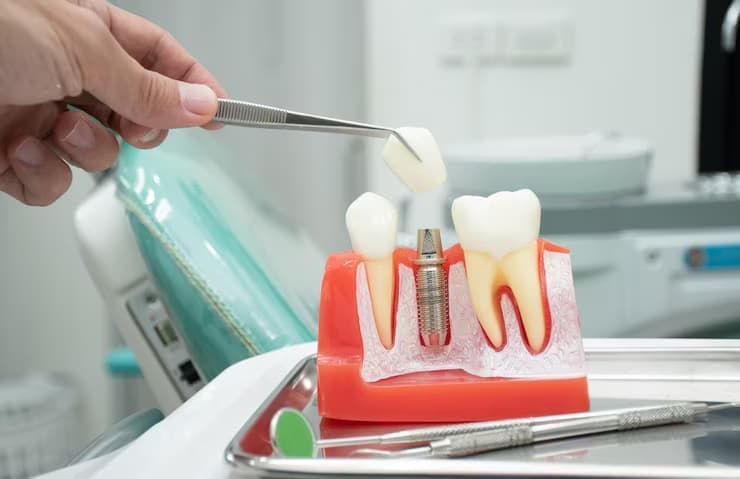
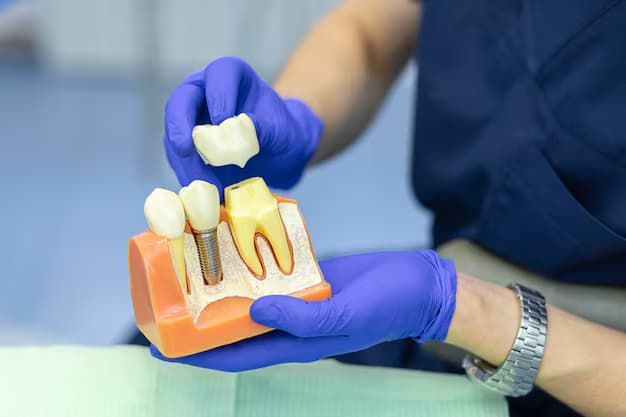
A dental implant is a tooth-replacement option made of a small titanium post that's placed in the jawbone and topped with a custom crown. The post acts as an artificial root, which is what sets implants apart from other ways of replacing a tooth.
Here's how treatment generally unfolds:
- Evaluation and planning. We examine your teeth and gums and use imaging to check the amount and quality of bone where the implant would go.
- Placing the implant. The titanium post is placed into the jawbone, usually with local anesthesia.
- Healing. Over the following months, the bone grows around the post and locks it in place. This process is called osseointegration, and it's what makes an implant stable enough to handle chewing.
- Attaching the abutment and crown. A small connector (the abutment) joins the post to a custom crown, which is shaped and shaded to blend in with your other teeth.
Because the process includes surgery and healing, an implant isn't a same-week fix. The timeline depends on your bone, your healing, and whether any preparation work is needed first. We explain the expected schedule at the planning visit so there are no surprises.
When Might Dental Implants Be Considered?
Implants may be worth considering when you've lost one or more teeth and want a long-term replacement. Losing a tooth does more than leave a gap. The jawbone under the empty space gradually shrinks because it no longer gets the stimulation a tooth root provides, and neighboring teeth can drift toward the space over time. Replacing the tooth sooner often gives you more options later.
Implants aren't the only way to fill a gap, so it helps to see how the main choices compare:
| Option | How it works | Things to weigh |
|---|---|---|
| Dental implant | Titanium post in the jawbone with a crown on top | Longest process, doesn't rely on neighboring teeth, supports the jawbone |
| Dental bridge | Replacement tooth anchored to the teeth on either side of the gap | Faster than an implant, but the neighboring teeth need to be shaped to hold it |
| Removable partial or full denture | Removable replacement teeth | Lower upfront cost and no surgery, but it can shift and typically needs periodic adjustments |
Whether an implant is a good fit depends on several things we check during your exam:
- The amount of healthy jawbone in the area.
- The health of your gums.
- Whether you smoke or use tobacco, which can slow healing.
- Medical conditions such as diabetes, especially when they aren't well controlled.
- Habits like heavy teeth grinding, which can put extra stress on the restoration.
- How consistently you keep up with brushing, flossing, and checkups.
If there isn't enough bone, we may discuss additional procedures to build it up first, or recommend a different option. We won't push an implant on someone it isn't right for.
One more point that surprises people: implants can't get cavities, but the gum and bone around them can still become inflamed if plaque builds up. An implant needs the same daily cleaning and regular checkups as natural teeth, so it's a long-term commitment on both sides.
Can Dental Sealants Be Used on Early Tooth Decay?
Yes, in some cases. Dental sealants can be used on early, non-cavitated decay, meaning a spot where the enamel has started to break down but hasn't formed an actual hole. Sealing the area can help block the bacteria from the food and sugars they feed on, which may slow or halt the decay.
The key phrase is "in some cases." We look at the tooth, how deep the early spot appears to be on the exam and X-rays, and whether we can keep an eye on it. Sealing makes the most sense when the area is early, and we can monitor it at future visits.
If the decay has already formed a cavity, a sealant won't fix it. That tooth needs a filling or another restorative treatment, because sealing over an active cavity can trap bacteria and let the damage continue underneath. Telling those two situations apart is one of the main reasons we examine the tooth before recommending anything.
How Do Dental Sealants Work, and Who Benefits?
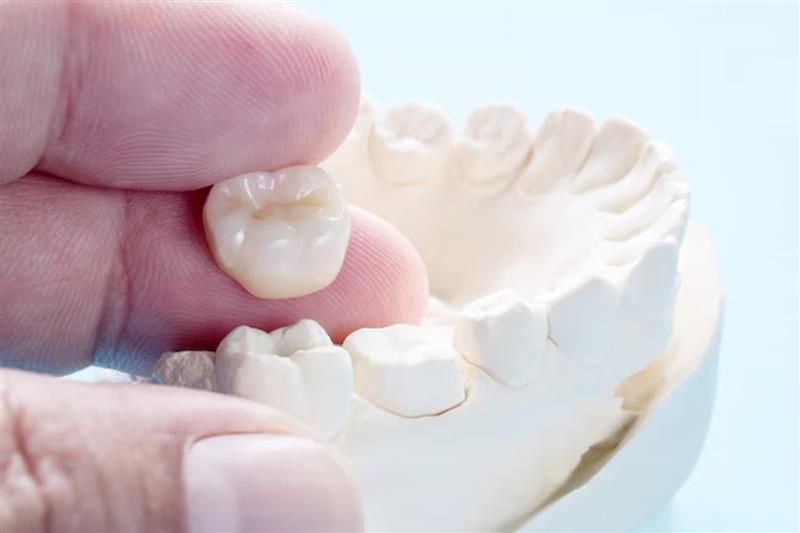
A dental sealant is a thin resin coating painted onto the chewing surface of a back tooth. Molars and premolars have deep pits and grooves that a toothbrush bristle can't always reach, so plaque settles in and decay can start. The sealant fills those grooves and leaves a smoother surface that's easier to keep clean.
Applying one is quick and doesn't require numbing or drilling:
- We clean and dry the tooth.
- A mild solution is applied briefly so the sealant bonds well.
- The liquid resin goes on and flows into the grooves.
- A curing light hardens it in seconds.
Children are the most common candidates because permanent molars come in around ages 6 and 12 and are vulnerable right away. Timing matters here. Sealing a molar soon after it fully emerges protects it during the years when the grooves are hardest to clean. Adults can benefit too, particularly if they have deep grooves, a history of cavities in their back teeth, or no existing fillings on those surfaces.
Sealants wear down over time, and chewing hard foods or grinding can chip them. They usually last for years, and we inspect them at checkups so we can repair or reapply them when needed. They work alongside brushing, flossing, and fluoride, not in place of them.
How Much Does Professional Teeth Whitening Cost?
Professional teeth whitening commonly costs somewhere between a few hundred dollars and about $1,000, depending on the method. In-office whitening, which takes about an hour in the chair, tends to run higher per session. Custom take-home trays made by a dentist often fall in the range of roughly $200 to $600. Published figures vary quite a bit from one source to the next, because pricing depends on the practice and the region.
What moves the price within those ranges:
- In-office or take-home. In-office whitening is faster. Take-home trays usually cost less and work over about one to two weeks.
- How many visits you need. A mild yellowing may need less than deeper staining.
- Your starting shade and the type of stain. Surface stains from coffee and tea often respond well, while some deeper discoloration takes more work.
- Whether you add a take-home kit after an in-office session to maintain results.
Insurance generally doesn't cover whitening, since it's considered cosmetic. We'd rather give you a real quote than a ballpark, so we recommend booking a quick consultation. We'll check that your teeth and gums are healthy enough for whitening and give you a price for the option that suits you.
What Should You Know Before Professional Teeth Whitening?
Whitening works on natural tooth structure, so existing crowns, veneers, and fillings won't change color. That's the detail people miss most often. If you have visible dental work on your front teeth, whitening the natural teeth around it can leave a mismatch, and we may need to plan replacing those restorations afterward.
A few other things are worth knowing:
- Treat problems first. Whitening over an untreated cavity or inflamed gums can be uncomfortable, so we handle those before whitening begins.
- Sensitivity is common and usually temporary. Teeth can feel zingy during or after treatment, and there are ways to reduce it, from adjusting the gel strength to using desensitizing products.
- The cause of the stain matters. Stains from coffee, tea, red wine, or tobacco usually lift more easily than discoloration from inside the tooth, such as from certain medications taken during childhood or from an old injury.
- Results fade. Habits like daily coffee or smoking will gradually bring the shade back, and occasional touch-ups can keep it up.
Our view: whitening is one of the better-value cosmetic treatments when it's done after a proper exam, and one of the more disappointing ones when it's skipped over underlying problems.
How Do You Choose Between Dental Treatment Options?
Start with the problem, then pick the treatment. These three options rarely compete with each other, so the question is usually which one matches what you're dealing with.
| What you're dealing with | Option to ask about | Where we start |
|---|---|---|
| A missing tooth | Dental implant, or a bridge or denture | Exam and imaging to check bone and gum health |
| Deep grooves or an early spot of decay on a back tooth | Dental sealant | Exam to confirm there's no cavity yet |
| An established cavity | Filling or other restorative treatment | Exam and X-rays to measure the damage |
| Natural teeth that look yellow or stained | Professional whitening | Check for cavities and gum problems first |
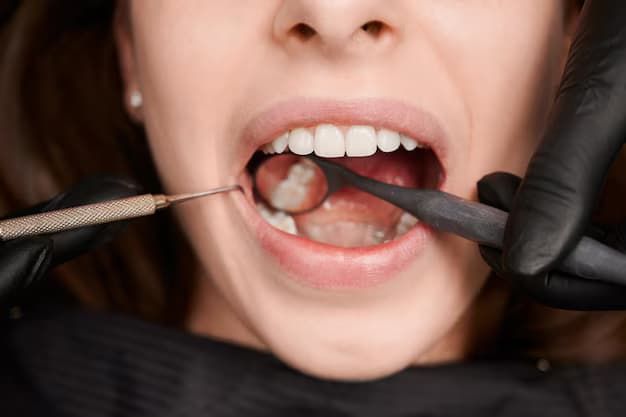
Almost all of these start the same way, with an exam. We can't tell a deep groove from an early cavity, or a healthy jawbone from one that's thinning, by looking at a photo or from a description over the phone. Once we've seen your mouth, we can explain which dental treatment options fit, what each involves, and which ones can wait.
If you're weighing any of these treatments, we'd be glad to take a look and talk it through. Book a visit with Mason Dentistry, and we'll help you figure out where to start.
Frequently Asked Questions
How long does the dental implant process take?
Most implant treatment takes several months from placement to the final crown, because the bone needs time to bond with the titanium post. Your timeline can be shorter or longer depending on the number of implants, the condition of your bone, how you heal, and whether you need extra procedures first.
Is getting a dental implant painful?
Implant placement is typically done with local anesthesia, so the procedure itself is usually comfortable. Soreness, swelling, or mild bruising can follow for a few days, and many people manage it with the pain relief their dentist recommends. Your dentist will go over aftercare and what to expect.
How long do dental sealants last?
Sealants often last for several years, though chewing and grinding can wear them down or chip them. That's why we check them at routine visits. If part of a sealant is lost, it can usually be repaired or reapplied quickly, because the tooth underneath doesn't need any drilling.
Can adults get dental sealants?
Yes. Sealants aren't only for kids. Adults with deep grooves in their molars, or with a history of cavities on back teeth, may benefit, especially on teeth that don't have fillings. We check the shape and condition of each tooth before recommending a sealant.
How long do professional whitening results last?
Results can last from several months to a year or longer, depending on your habits. Coffee, tea, red wine, and tobacco gradually bring the stains back. Many patients maintain their shade with occasional touch-ups using custom trays, which we can discuss after your first treatment.
Does insurance cover implants, sealants, or whitening?
It varies. Many plans cover sealants for children, and some offer partial coverage for implants, often with limits. Whitening is typically considered cosmetic and isn't covered. Check your plan's benefits summary, or ask our team to help you understand what applies before you commit to treatment.