Dental Crowns: Cost, Longevity, Types & Composite Alternatives
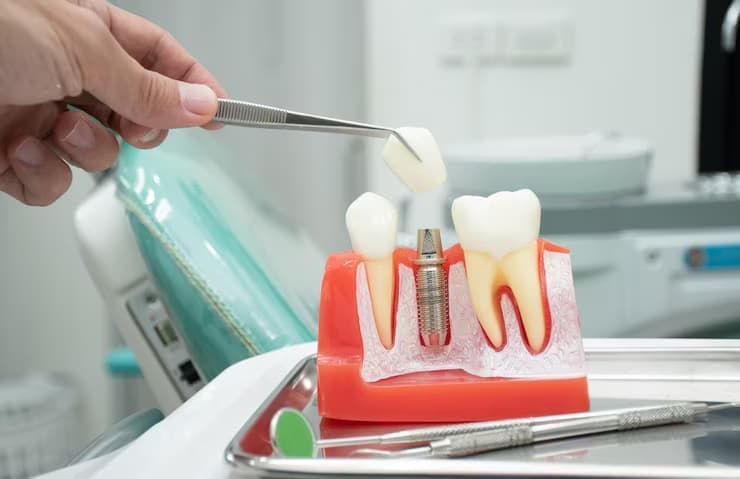
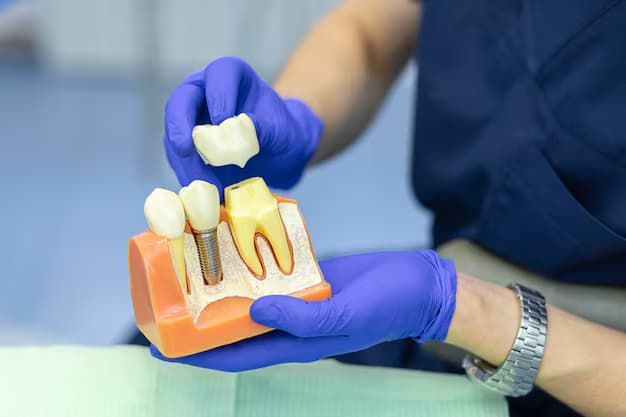
A chipped, cracked, or weakened tooth may need more support than a filling can offer. A dental crown covers the visible part of the tooth, helping restore its shape and withstand the pressure of chewing. The cost varies, too. It depends on the crown material and how much work the tooth needs.
But a crown isn't always necessary. For smaller chips, or areas of decay, composite resin may be enough to repair the tooth without covering it completely. The tricky part is knowing how much support the tooth has left. That's something your dentist can assess before recommending dental crown treatment.
How much does a dental crown cost?
A dental crown typically costs between $840 and $2,000 per tooth. The price depends on the material also the condition of the tooth, and the work involved. Porcelain, ceramic, zirconia, and metal crowns don't all cost the same, and your insurance may cover some of the expense.
There can be extra charges, too. Your estimate might include X-rays, tooth preparation, a temporary crown, or treatment for decay. Ask for an itemized quote before you agree to anything. Two prices can look quite different simply because one includes more of the work than the other. Check what's covered first.
How long do dental crowns last?
Dental crowns often last between 5 and 15 years. Some last longer, while others wear out or need replacing sooner. The material plays a part but your bite and daily care matter as well.
The tooth beneath the crown can still develop decay, particularly around its edges. Brush twice a day and clean between your teeth to help protect it. If you grind your teeth at night, the extra pressure may damage the crown over time. Chewing ice isn't a great habit for crowns, either. Your dentist can check for cracks, wear or a loose fit during routine visits. You can also read more about how crown materials affect long-term durability.
What are the different types of dental crowns?
The material affects how a crown looks, and how well it handles chewing pressure. Some are chosen mainly for their appearance while others are often used on teeth that take more force when you bite.
- Porcelain crowns: Often used for front teeth because the material can be matched to the color of natural teeth.
- Ceramic crowns: Provide a tooth-colored finish and can be a good choice for visible teeth.
- Zirconia crowns: Known for their strength and natural-looking appearance, they may be used on front or back teeth.
- Metal crowns: Can withstand strong biting forces and are known for their durability.
- Porcelain-fused-to-metal crowns: Have a metal base with a tooth-colored outer layer.
There's no single material that's right for everyone. Your dentist will consider where the tooth sits, how you bite, and your budget before recommending an option.
What is the difference between a temporary and permanent crown?
A temporary crown covers the prepared tooth, while the permanent crown is being made. The permanent one is fitted and cemented in place for longer-term use.
Temporary crowns are more delicate, so a little care goes a long way. Sticky foods can pull one loose, while hard foods may crack it. If yours comes off, call your dental office for advice rather than trying to glue it back yourself. Once the permanent crown is ready, your dentist checks how it fits and meets the opposing teeth before cementing it in place. Read more about temporary versus permanent crowns.
Can a tooth be repaired with composite instead of a crown?
Yes, in some cases. Composite resin can repair a small chip or fracture, and it may restore a tooth after decay has been removed. It doesn't cover the whole tooth like a crown does.
One advantage is that composite usually requires less removal of healthy tooth structure. That's useful when the damage is limited. But if a tooth has lost a lot of its structure or already has a large filling, composite may not provide enough support. A crown might be the better choice.
During dental crown treatment planning, ask whether composite can handle the pressure your tooth takes when you chew. The answer depends on the amount of healthy tooth left and where the damage is. Here's more on when composite may work instead of a crown.
How long do composite restorations last?
Composite restorations can last for several years, though some need attention sooner. A small repair on a front tooth may hold up differently from a larger filling on a back tooth, where chewing puts more pressure on the material.
Composite can stain around the edges or chip over time. Biting down on ice or other hard objects can make that more likely. Sometimes a dentist can repair a worn area; other times, the restoration needs replacing. If you're weighing composite against dental crown treatment, ask how each option is likely to hold up for your tooth. You can find more information in these answers to common questions about composite restorations.
At Martinez and Martinez Family Dental Care, we encourage patients to talk through their options before deciding on a dental crown treatment. A small repair may be enough for one tooth, while another may need the extra coverage a crown provides.
Frequently Asked Questions
1. Does getting a dental crown hurt?
Your dentist will usually numb the tooth before preparing it, so you should feel little or no pain during the procedure. Some sensitivity or gum soreness afterward is common. If the pain gets worse or doesn't settle, contact your dental office.
2. What types of dental crowns are available?
Options include porcelain, ceramic, zirconia, metal, and porcelain-fused-to-metal crowns. They vary in appearance and strength. Your dentist can help you choose based on the tooth's position and how much pressure it takes when you bite.
3. Can a crown protect a cracked tooth?
A crown can protect some cracked or weakened teeth but the location and depth of the crack matter. A dentist needs to examine the tooth to see whether a crown is suitable or another treatment is needed.
4. Can dental crowns be used with dental bridges?
Yes. Crowns can support a dental bridge that replaces a missing tooth. The teeth used to support the bridge need to be checked first to make sure they can handle the added pressure.
5. How do I know whether I need a crown or a filling?
A filling or composite restoration may be enough for a small area of damage. If a larger part of the tooth is weakened, a crown may offer more support. At Martinez and Martinez Family Dental Care, an examination can help determine which option fits the condition of your tooth, and your bite.