Do Composite Restorations Stain, Break, or Wear Out? Answers to the Questions Patients Ask After Treatment
Restorative dentistry today is less about “patching a problem” and more about rebuilding strength in a way that still looks natural. That shift is exactly why patients often choose tooth-colored solutions for everyday dental repair.
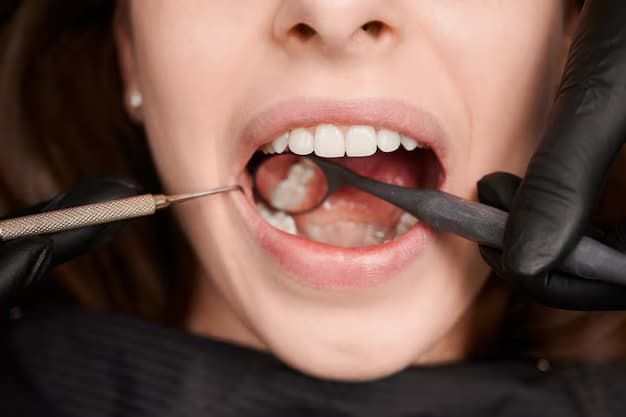
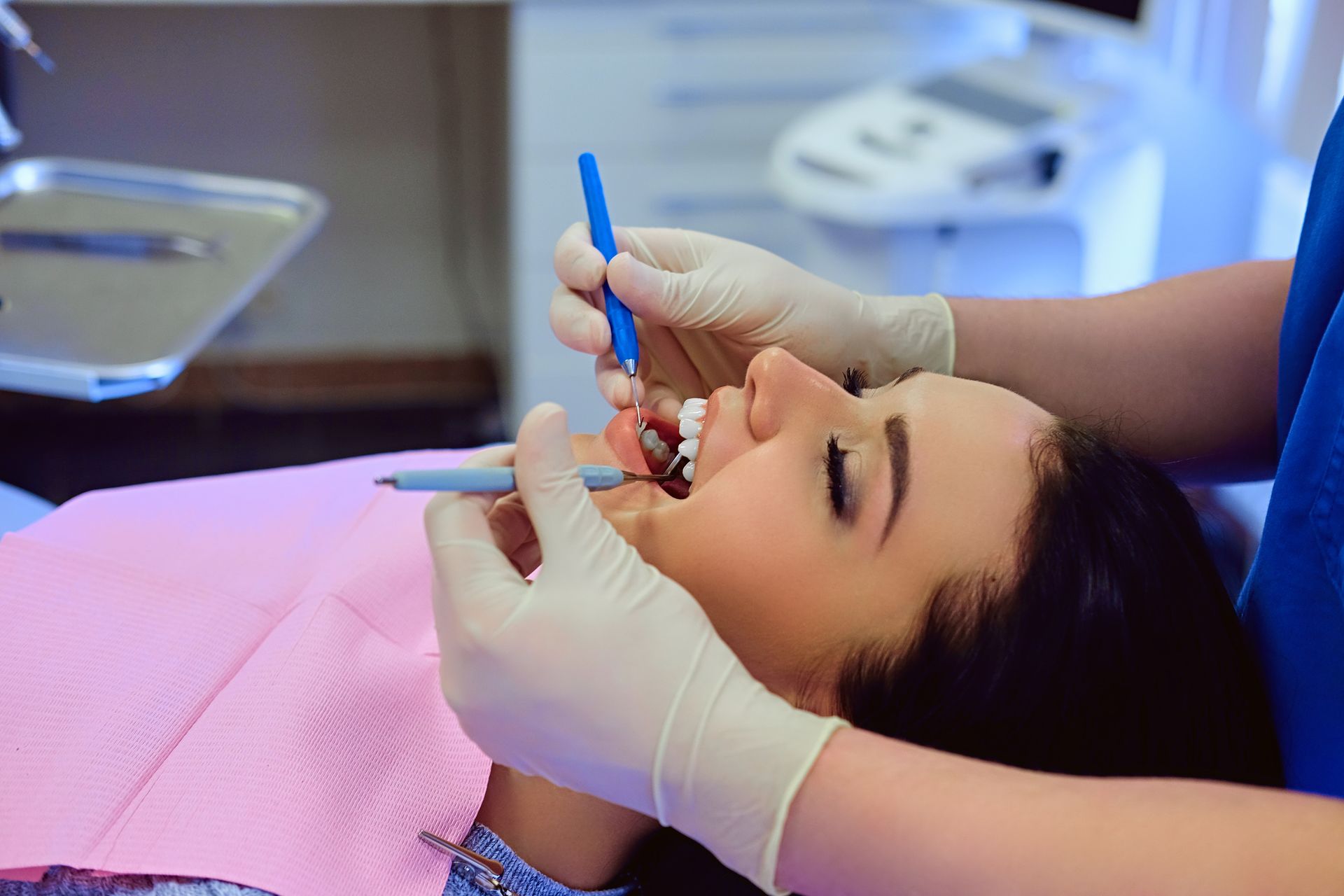
Composite restorations in Mason are designed to repair teeth in a way that preserves as much natural structure as possible while restoring function. These restorations bond directly to the tooth, which helps maintain stability and a natural appearance.
At Martinez & Martinez Family Dental Care, we often explain that the real value of this treatment isn’t just what it fixes today, but how it behaves months and years after placement.
What These Materials Are Really Built to Handle
Composite resin is a blend of fine particles and tooth-colored material that mimics enamel. It is shaped directly in the mouth and hardened using a special curing light, allowing it to adapt closely to the tooth’s natural contours.
Composite restorations are strong enough for daily chewing and speaking, but they are not designed like metal or ceramic restorations. Instead, they rely on bonding strength and careful placement to perform well under normal use.
The material is engineered for balance, flexibility, and durability, so it behaves more like a natural tooth rather than an artificial structure.
The “Invisible Aging” Effect Patients Don’t Notice Right Away
Composite restorations don’t usually change overnight. Instead, they go through very gradual shifts that are easy to miss in daily life.
Common subtle changes include:
- Light surface dulling from everyday foods and drinks
- Minor texture changes from normal chewing forces
Composite restorations in Mason may slowly show these signs without affecting immediate comfort or function. Regular dental visits help track these changes early and keep everything stable.
We make sure small changes never turn into bigger concerns over time.
The Pressure Point Reality: Why Some Restorations Hold, and Others Don’t
Not all teeth experience the same forces. Back teeth, for example, handle significantly more pressure than front teeth. That difference plays a major role in how long a restoration performs well.
Composite restorations can withstand normal bite pressure, but habits like grinding or clenching can concentrate force in ways the material was not meant to absorb long-term.
Small cracks or edge wear often begin in high-pressure zones. These changes are usually manageable when detected early, which is why regular dental checkups are important.
Micro-Wear vs. Real Damage: Knowing the Difference
Not every change in a restoration means something is wrong. There is a difference between surface wear and structural failure.
Composite restorations in Mason naturally experience micro-wear over time, especially in areas that contact opposing teeth during chewing. This is expected and does not always require replacement.
However, deeper fractures or loss of bonding around the edges are different. These issues can allow bacteria to enter, which is why professional evaluation is essential when changes are noticed.
How Daily Habits Quietly Shape Longevity
Longevity of a dental restoration is not determined by the dentist alone. Every day habits quietly influence how well it holds up over time.
Small daily actions can strengthen or weaken long-term results depending on consistency and awareness.
- chewing ice
- biting pens
- using teeth as tools
- frequent acidic drinks
Composite restorations tend to last longer when habits are mindful. At Martinez & Martinez Family Dental Care, we help patients protect their oral health daily through preventive guidance and personalized care recommendations during every visit, long-term.
What Happens Beneath the Surface Matters More Than Appearance
A restoration can look perfectly fine on the outside while changes are occurring underneath the surface. This is one reason routine dental visits are important even when there is no visible problem.
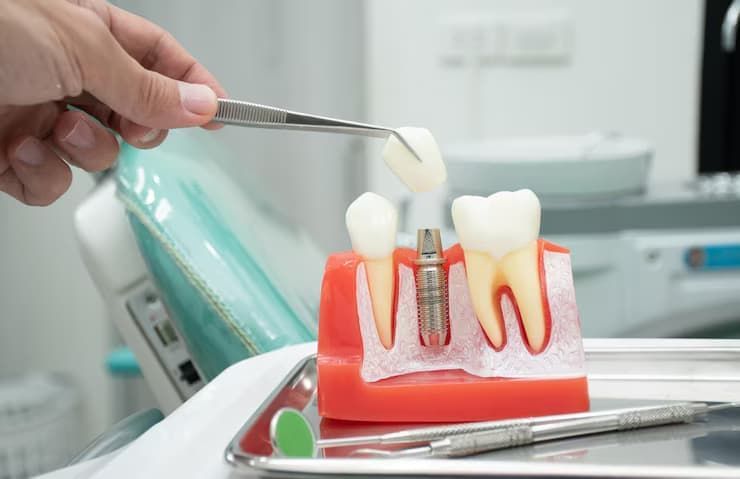
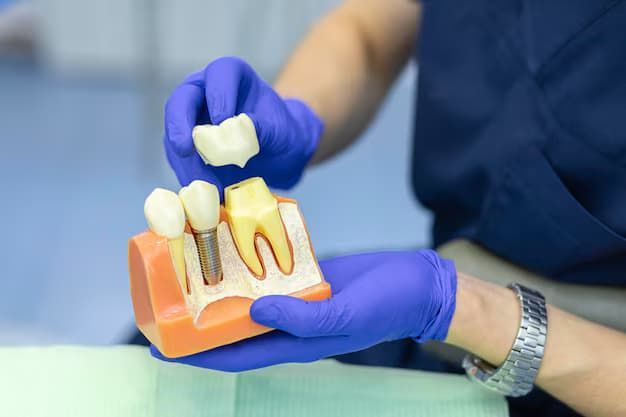
Composite restorations in Mason are bonded to enamel and dentin, which means the seal between tooth and material is just as important as the material itself.
If that seal weakens over time, bacteria can enter and cause decay beneath the restoration without immediate symptoms.
When Replacement Becomes a Preventive Decision, Not a Repair
Replacement is not always triggered by failure. In many cases, it is a preventive step taken before damage develops further.
Composite restorations in Mason may be replaced if edges begin to wear, discoloration becomes noticeable, or bite alignment changes over time.
At Martinez & Martinez Family Dental Care, we focus on early intervention so patients avoid larger treatments later. A timely replacement is often simpler and more conservative than waiting for complications to develop.
Why Longevity Is a Partnership, Not a Guarantee
No dental restoration exists in isolation. Its success depends on how well it is maintained after placement.
Composite restorations are designed to be long-lasting, but their lifespan is influenced by oral hygiene, diet, and routine professional care. Even the best materials rely on consistent maintenance to perform well.
This is why follow-up visits are not optional; they are part of the long-term success of the treatment.
Conclusion
Composite restorations are designed to blend strength with aesthetics, but like all dental materials, they evolve over time. They may experience mild staining, gradual wear, or stress-related changes depending on lifestyle and oral habits.
Composite restorations in Mason remain a reliable and conservative solution for restoring damaged teeth when properly cared for and regularly monitored. With the right approach and ongoing professional support, they can maintain both function and appearance for many years.