Are Dental Implants Still the Best Choice If You've Been Missing a Tooth for Several Years?
Yes. Many people successfully receive dental implants even after living with a missing tooth for several years. The most important factor is the condition of the jawbone rather than how long the tooth has been missing.
A missing tooth can affect more than your smile. It can change the way you chew, shift nearby teeth, and gradually reduce the strength of your jawbone. Many people wait years before considering replacement, often because they assume it's too late or that treatment will be uncomfortable. If you've delayed treatment, it's natural to ask, "Are dental implants painful?" and whether they're still the right solution after so much time.
Why does waiting several years affect dental implant treatment?
Waiting allows natural bone loss because the jaw is no longer stimulated by a tooth root. The longer a space remains empty, the more likely neighboring teeth are to shift into that space. While many people worry, "Are dental implants painful?", the greater concern is often the changes that occur in the jaw and surrounding teeth over time.
These changes may affect your bite, chewing ability, and even facial appearance. Despite these concerns, delayed treatment does not mean implants are no longer possible. An experienced dentist can evaluate bone quality and recommend the most predictable treatment plan.
Is Getting Dental Implants More Painful After Years of Missing a Tooth?
No. The length of time you've been missing a tooth does not usually make the implant procedure itself more painful. If you're asking, "Are dental implants painful?", most patients report mild discomfort rather than significant pain.
The procedure is performed using local anesthesia, so you should not feel pain during implant placement. Mild soreness or swelling is common afterward, but it is usually manageable with prescribed or over-the-counter medication. If additional procedures like bone grafting are required, recovery may take a little longer, but comfort can still be well managed.
What happens if there isn't enough bone for a dental implant?
Insufficient bone does not automatically preventdental implant treatment. In many cases, bone grafting can restore enough support for a successful implant.
Bone grafts encourage new bone growth over several months, creating a stable foundation for the implant. Your dentist will determine whether grafting is necessary by reviewing digital scans and evaluating your oral health. This personalized approach helps improve long-term implant success.
What Does Recovery Feel Like After Dental Implant Surgery?
Recovery is generally easier than many people expect. For those wondering, "Are dental implants painful?", most patients compare the discomfort to having a routine tooth extraction.
Swelling, tenderness, and mild bruising typically improve within a few days. Following post-treatment instructions, eating soft foods, and maintaining good oral hygiene all support a smoother healing process. Most people return to their normal daily routine within a short period.
Why are dental implants often considered the best long-term solution?
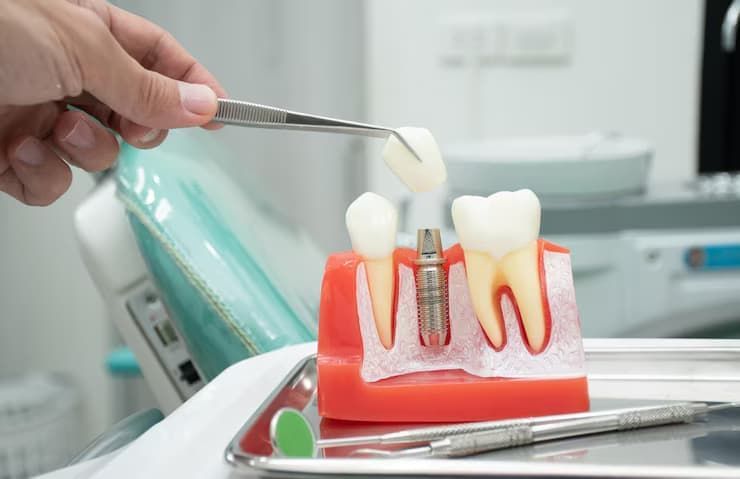
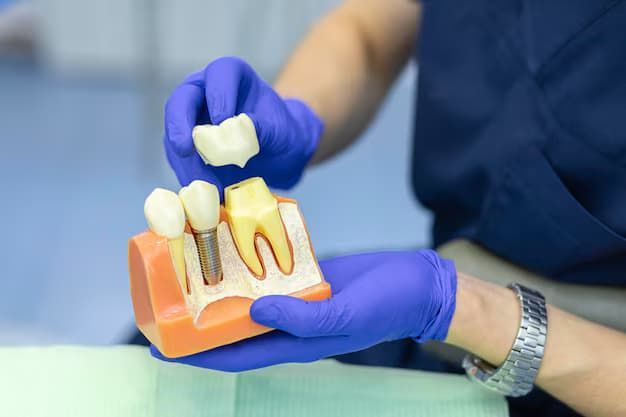
Dental implants replace both the visible tooth and its root, making them one of the most complete tooth replacement options available. This helps preserve jawbone health while restoring normal function.
Unlike removable dentures, implants remain securely fixed in place. Unlike traditional bridges, they usually do not require adjacent healthy teeth to be reshaped. With proper care, implants can provide reliable function for many years.
Do dental implants cause more discomfort than other tooth replacement options?
Generally, no. When patients ask, "Are dental implants painful?", they're often surprised that recovery is comparable to or easier than many common dental procedures.
Dentures may cause ongoing sore spots, while bridges sometimes require adjustments over time. Implant treatment involves a surgical procedure, but once healing is complete, patients often appreciate the stability and natural feel that implants provide.
How do you know if you're a good candidate for dental implants?
A comprehensive dental examination is the only way to determine whether implants are appropriate. Factors such as bone health, gum condition, overall health, and lifestyle all influence treatment planning.
At Martinez and Martinez Family Dental Care, every implant consultation begins with a careful evaluation rather than assumptions based on how long a tooth has been missing. This allows patients to receive recommendations that fit their individual needs and long-term oral health goals.
Should you replace a tooth even if it has been missing for years?
Yes. Replacing a long-missing tooth can improve chewing, restore smile appearance, reduce stress on surrounding teeth, and help prevent additional bone loss.
Even if the gap has not caused obvious problems yet, subtle changes may already be affecting your bite. Addressing the issue sooner often provides more treatment options and helps protect your overall oral health. Many people who ask "Are dental implants painful?" discover that postponing treatment creates more concerns than the procedure itself.
Frequently Asked Questions
Can dental implants still look natural after years without a tooth?
Yes. Modern implant restorations are carefully designed to match the size, shape, and color of surrounding teeth. When supported by healthy bone and gums, they blend naturally with your smile and restore normal appearance.
Is age a limiting factor for getting dental implants?
Age alone rarely prevents someone from receiving dental implants. Overall health, healthy gums, and sufficient bone support are usually more important than chronological age when determining candidacy for implant treatment.
What is the biggest benefit of replacing an old, missing tooth?
Replacing an old, missing tooth helps restore chewing efficiency, supports jawbone health, and prevents nearby teeth from shifting. These benefits contribute to better long-term oral function and reduce the likelihood of future dental complications.
Why do some patients need bone grafting before implants?
Bone grafting is recommended when natural bone has become too thin or weak to securely support an implant. The procedure rebuilds bone volume, improving stability and increasing the chances of long-term implant success.
Conclusion
Living with a missing tooth for several years does not mean you've missed your opportunity for dental implants. While delayed treatment may require additional planning, many patients remain excellent candidates for a lasting tooth replacement solution.
If you've been asking, "Are dental implants painful?", the answer is that modern implant treatment is typically much more comfortable than people expect. At Martinez and Martinez Family Dental Care, we believe every patient deserves a thorough evaluation, clear guidance, and a treatment plan built around long-term oral health rather than assumptions.