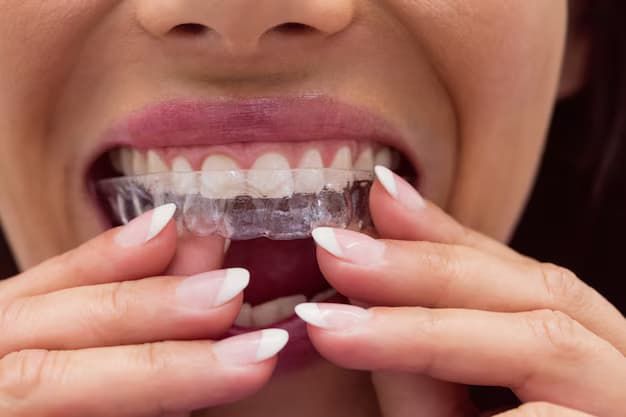
Family & General Dentistry: Services, Visits & Routine Checkups
Most people don't think about their dentist until something hurts. A tooth gets sensitive to cold, a filling feels rough against the tongue, or a gum bleeds a little more than usual. By then, the problem has usually been building for months, and the fix is bigger than it needed to be.
That pattern is the reason family and general dentistry exists. A dentist you see regularly learns what's normal for your mouth and catches small changes while they're still easy to treat. At Martinez and Martinez Family Dental Care, we spend most of our days on this kind of steady, routine work, and we've found it does more for long-term oral health than any single dramatic treatment.
Below, we explain what a family dentist does at each stage of life, which services a general dentist provides and when each one is used, how often you should book, and what happens during a routine checkup from the moment you sit down. We've also covered the habits that make preventive dental care work on the days you're not in our chair.
What Does a Family Dentist Do?
A family dentist provides dental care for patients of every age and follows your oral health over many years. Instead of treating each visit as a separate event, we build a picture of how your teeth and gums change, then adjust the plan as your life does.
What separates a family dentist from a general dentist is mostly who walks through the door. The core training is the same. A general dentist's schedule may lean toward adults, while a family dentist plans for a six-year-old and a sixty-year-old in the same afternoon. That's the idea behind family dentistry: one practice that grows with the household.
Here's how the focus shifts with age:
| Life stage | What we pay attention to |
|---|---|
| Young children | Timing of the first visit, how baby teeth come in, early cavities, habits like thumb sucking or prolonged pacifier use, and sealants on new molars |
| Teens | Wisdom teeth monitoring, mouthguards for sports, cavity risk from snacking and sugary drinks, and orthodontic referrals when bite problems show up |
| Adults | Gum health, older fillings that wear or leak, tooth grinding, and cracks that develop over time |
| Older adults | Dry mouth (a common side effect of many medications), decay along exposed roots after gum recession, and the fit of dentures or bridges |
One practical benefit is that your records live in one place. When we compare this year's X-rays with last year's, we can see slow changes that a single visit would miss, such as a spot of early enamel breakdown that hasn't become a cavity yet. Children also tend to relax when the dentist's office is somewhere the whole family goes, and relaxed kids make for easier appointments.
What Services Does a General Dentist Provide?
A general dentist provides preventive care that keeps your teeth healthy and restorative care that repairs them when something has gone wrong. At Martinez and Martinez Family Dental Care, general dentistry is where most patients start, and it covers the bulk of what people need day to day.
Preventive services
Preventive care is the part of the visit that tries to make the rest unnecessary.
- Exams let us check every tooth surface, the gums, the bite, and the soft tissues of your mouth.
- Professional cleanings remove plaque and tartar that daily brushing leaves behind.
- X-rays show decay between teeth and bone levels that aren't visible to the eye. We take them when your history and risk call for them, not on autopilot.
- Fluoride treatments strengthen enamel and can help reverse the earliest stage of decay.
- Gum health checks measure the pockets around each tooth, which is how gum disease is caught while it's still reversible.
- Dental sealants coat the deep grooves of back teeth, and they're especially useful on children's new molars.
Restorative services
When decay, cracks or damage have already happened, restorative care repairs the tooth and protects it from further harm. Which treatment fits depends on how much of the tooth is affected:
- Fillings treat cavities. We remove the decayed area and replace it with a tooth-colored material.
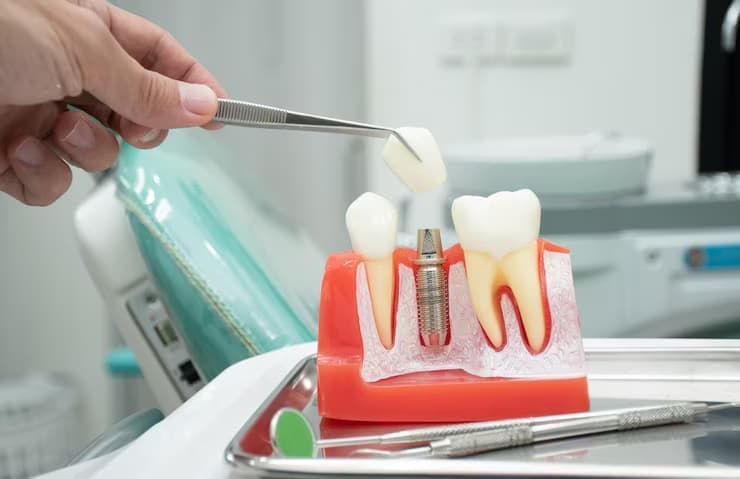
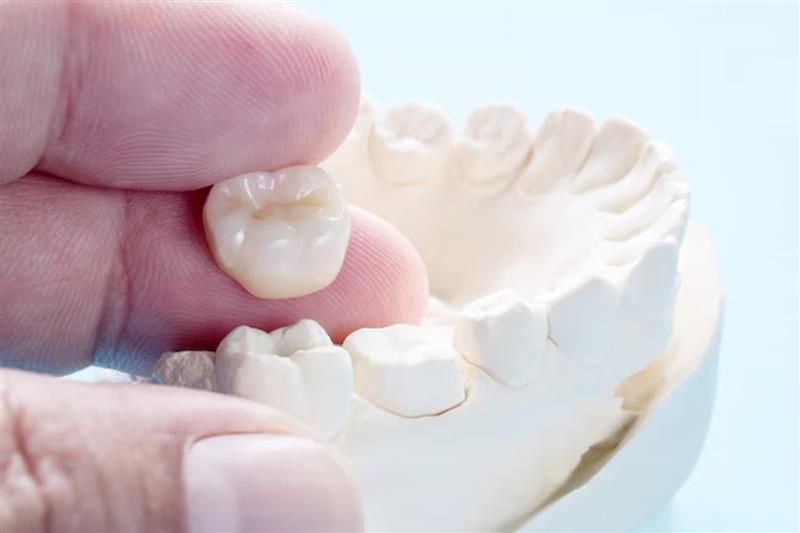
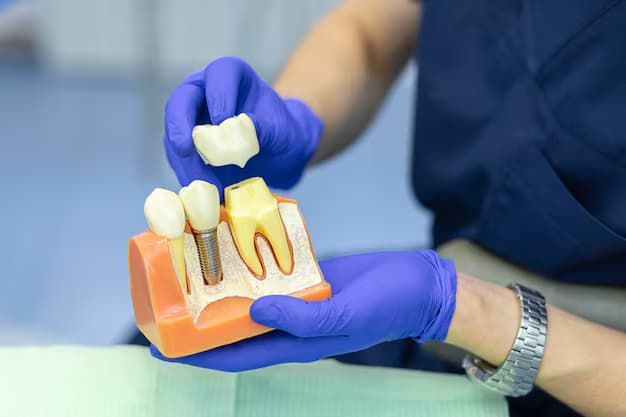
- Crowns cover a tooth that's too damaged for a filling, such as one with a large cavity or a crack, and they're commonly placed after a root canal.
- Bridges replace a missing tooth by anchoring a replacement to the teeth on either side of the gap.
- Root canal treatment removes infected or inflamed tissue from inside a tooth so the tooth can be saved. The goal is to relieve the pain, and the procedure is usually much more comfortable than its reputation suggests.
We lean toward the smallest fix that will hold. A small cavity caught early usually needs a simple filling. The same cavity ignored for a couple of years can end up needing a crown or a root canal, which means more time in the chair and a bigger bill. When a problem calls for a specialist, we refer you to one and stay involved in your care.
How Often Should You Visit the Dentist?
Most people do well with a checkup and cleaning about every six months, and that's where we start for the majority of patients. Think of it as a baseline, because some mouths need a different rhythm.
Six months is partly convention. It's a reasonable interval for catching new decay and removing tartar before it irritates the gums, and it matches how most dental plans are written. It isn't a law of nature, and the right schedule for you depends on how your mouth behaves.
| Your situation | What we typically suggest |
|---|---|
| Healthy teeth and gums, good home care | Checkup and cleaning about every six months |
| Children and teens | About every six months, with adjustments as teeth come in and cavity risk changes |
| Frequent cavities or dry mouth | More frequent visits, often every three to six months, plus added fluoride |
| History of gum disease | Often every three to four months, since bacteria rebuild faster than in a healthy mouth |
| Long record of healthy teeth and gums | Sometimes a longer gap, decided together with your dentist |
Other factors can move you toward more frequent visits, including smoking and diabetes, which raises the risk of gum problems. These are general patterns, and your dentist is the one who can see how your mouth has actually behaved over time.
Waiting for pain is a poor test. Early gum disease and small cavities often don't hurt at all, so a mouth that feels fine can still have something developing. We'd rather have a boring checkup on the calendar than a surprise toothache next month.
What Happens During a Routine Dental Checkup?
A routine checkup combines a cleaning, usually done by a hygienist, with an exam by the dentist and X-rays when we need them. The order shifts a bit from patient to patient, but most visits follow this path.
History review
We ask about changes in your health, new medications, and anything you've noticed in your mouth since the last visit. Medications matter more than people expect, because many of them dry out the mouth and raise cavity risk.
Cleaning
Plaque that isn't removed hardens into tartar, and tartar can't be brushed off at home. A hygienist removes it with scaling instruments, usually along and just under the gumline, then polishes the teeth to remove surface stains and leave a smoother surface that's harder for plaque to cling to.
Gum measurements
A small probe measures the gap between each tooth and the gum. Readings of roughly 1 to 3 millimeters usually point to healthy gums, while deeper numbers can signal gum disease. Bleeding during probing is another early sign we look for.
X-rays
Bitewing X-rays show the spaces between back teeth and the bone underneath, areas we can't see by looking. We decide based on your history and risk, so you won't necessarily get them every visit.
The exam
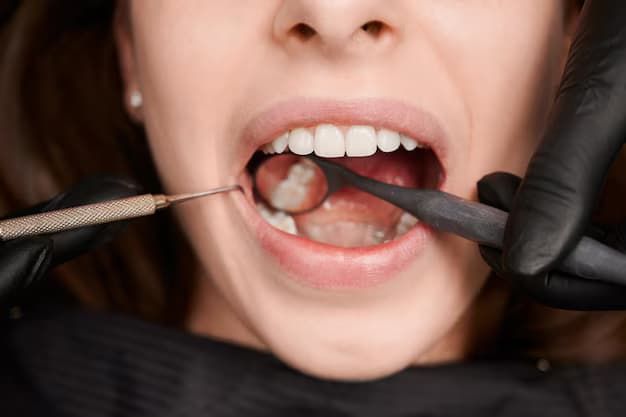
The dentist checks each tooth for decay, cracks and worn fillings, evaluates your bite, and looks over your tongue, cheeks and throat for anything unusual. That last part is your oral cancer screening, and it takes only a minute or two.
The conversation
We go over what we found and answer your questions. If something needs treatment, we explain the options in plain terms, say how urgent each item is, and let you decide what to do next.
That sixth step is where a lot of the value sits. Not every finding needs a drill. A very early spot of enamel breakdown, for example, can often be monitored and treated with fluoride and better home care, then rechecked on the next set of X-rays. A cracked filling or a deepening gum pocket is different, and we'll tell you when it shouldn't wait.
If you're seeing a new dentist, bring a list of your medications, any recent X-rays from a previous office, and your insurance information. It saves time and helps us avoid repeating images you already have.
How Does Preventive Dental Care Work Between Visits?
Your checkups catch problems, but the daily habits at home decide how many there are to catch. Preventive dental care between visits comes down to a few things done consistently.
Brushing and cleaning between teeth
Brush twice a day for two minutes with fluoride toothpaste, using a soft brush and gentle pressure. Scrubbing hard wears down gum tissue without cleaning any better. Once a day, clean between your teeth with floss or small interdental brushes, because a toothbrush can't reach those surfaces.
Fluoride
Fluoride toothpaste does daily work, and professional fluoride treatments add extra protection for people at higher risk. Our page on fluoride and decay prevention explains how it strengthens enamel.
How often you eat and drink sugar
Frequency matters more than quantity. Sipping a sugary drink over two hours exposes your teeth to acid for far longer than finishing it with a meal, so we usually advise keeping sweet drinks to mealtimes and drinking water between them.
Protection when it's needed
A custom or well-fitted mouthguard protects teeth during contact sports, and a night guard may be worth discussing if you wake up with a sore jaw or we see signs of grinding.
When Shouldn't You Wait for Your Next Visit?
Some changes shouldn't sit until the next appointment. Call us promptly if you notice any of these:
- Tooth pain that lingers or wakes you at night. This often means the problem has reached the inner tooth.
- Swelling in your gums or face. Swelling can point to an infection that needs attention soon.
- A chipped, cracked, or broken tooth. Even if it doesn't hurt, a crack can deepen and a sharp edge can cut your tongue.
- Gums that keep bleeding for more than a week or two. Occasional bleeding after flossing happens, but persistent bleeding is a sign of inflammation.
- A tooth knocked out. Time matters here. Handle it by the crown (not the root), keep it moist in milk, and get to a dentist as quickly as you can.
If it's been a while since your last checkup, we'd be glad to see you. Book a visit with Martinez and Martinez Family Dental Care, and we'll take it from there.
Frequently Asked Questions
Is a dental cleaning the same as a checkup?
No, though they usually happen in the same appointment. A cleaning removes plaque and tartar from your teeth. A checkup is the dentist's exam of your teeth, gums and mouth for decay, gum disease and other changes. Most dental offices schedule both together so anything we find can be addressed right away.
When should my child first see a dentist?
Most pediatric and dental associations recommend a first visit by a child's first birthday, or within about six months of the first tooth coming in. That early visit is mostly a quick look and a chance for parents to ask about brushing, feeding habits and teething. It also helps children get comfortable before any treatment is needed.
How long does a routine checkup take?
Plan on roughly 45 minutes to an hour for a visit that includes a cleaning, X-rays and an exam. A first appointment can run longer because we collect your history and may take a full set of images. Follow-up visits for patients with healthy gums often move along faster.
Do I need X-rays at every checkup?
Not always. X-rays show decay between teeth and bone changes we can't see during an exam, but how often you need them depends on your cavity risk, age and dental history. Some low-risk adults go a couple of years between bitewing X-rays, while patients who get frequent cavities may need them more often.
Does insurance cover routine dental checkups?
Many dental plans cover preventive visits, often two exams and cleanings a year, at a high percentage or in full. Coverage varies by plan, so check your benefits summary for visit limits, X-ray frequency and waiting periods. Our team can help you make sense of what your plan includes before you book.
Can the whole family see the same dentist?
Yes, and that's the main reason families choose a family dentist. Parents, children and grandparents can all be treated in one practice, which makes it easier to schedule visits around each other and keep everyone's records in one place. If it helps your household, ask about booking back-to-back appointments.