If Sealants Are So Effective at Preventing Cavities, Why Doesn't Every Adult Have Them?
Many adults do not have dental sealants because they were not routinely recommended when they were children or were never told they could still be candidates as adults. While sealants are commonly recommended for children, adults with healthy back teeth and deep chewing surfaces may also benefit from them.
Preventive dentistry often receives less attention than restorative care because people usually visit the dentist after a problem develops. However, protecting healthy teeth before decay begins is often simpler, less invasive, and more affordable than repairing cavities later. A "family dentist near me offering sealants" can evaluate whether this preventive treatment fits your oral health needs rather than relying on age alone.
Some adults also have existing fillings, crowns, or previous decay on their molars, which may limit where sealants can be placed. This is why eligibility depends on the current condition of each tooth rather than age alone.
How do dental sealants actually prevent cavities?
Dental sealants prevent cavities by covering the deep pits and grooves on the chewing surfaces where food particles and bacteria commonly collect. Once applied, the protective coating blocks bacteria from settling into areas that are difficult to clean with a toothbrush alone.
Molars naturally have narrow grooves that trap plaque, even in people with excellent brushing habits. Sealants create a smooth protective layer without changing the way teeth function or feel. This makes them one of the simplest preventive treatments available through a "family dentist near me offering sealants".
Can adults still benefit from dental sealants?
Yes. Adults can benefit from dental sealants if their molars are free from significant decay or large restorations. Age itself does not determine eligibility.Many adults assume sealants are only for children, so they never ask whether they are still candidates. A dental examination can identify healthy molars that may still benefit from preventive protection.
People with deep grooves, a history of cavities, dry mouth, or increased cavity risk may still gain meaningful protection. If you're searching for a “family dentist near me offering sealants”, a professional evaluation can determine whether this preventive treatment is right for you.
Every patient is different, so a clinical examination is the best way to determine whether sealants are appropriate. At Martinez and Martinez Family Dental Care, every recommendation is based on the condition of each tooth instead of following a one-size-fits-all approach.
What happens during a dental sealant appointment?
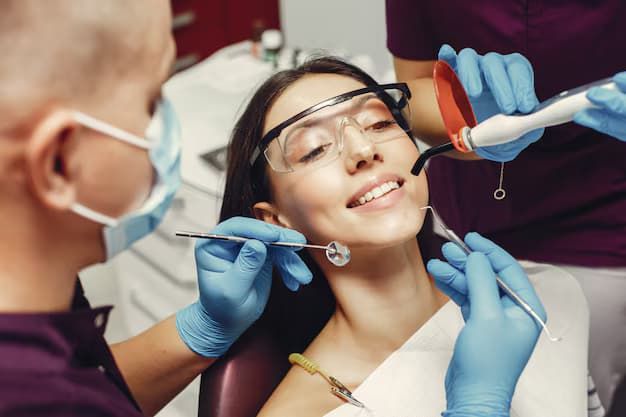
A dental sealant appointment is a simple, non-invasive preventive procedure designed to protect healthy teeth from future decay. The treatment is comfortable and can usually be completed in a single visit.
- The tooth is professionally cleaned and completely dried.
- A conditioning solution is applied to help the sealant bond securely.
- The sealant is painted onto the chewing surface.
- A special curing light hardens the material within seconds.
The entire process takes only a few minutes per tooth, and you can return to your normal routine immediately. A "family dentist near me offering sealants" will also check the sealants during regular dental visits to ensure they continue protecting your teeth.
How long do dental sealants last?
Dental sealants often last several years with proper care, although their lifespan depends on daily habits, bite pressure, and oral hygiene. Regular dental examinations help identify normal wear before protection is lost.
Even though sealants are durable, they are not permanent. They may require repair or replacement over time if they become worn or chipped. Regular preventive visits allow dentists to monitor their condition and maintain their protective benefits.Because sealants can last for years, adults who qualify often receive long-term cavity protection with very little ongoing maintenance beyond routine dental checkups.
Are sealants better than treating cavities later?
Yes. Preventing cavities is generally easier, more conservative, and less expensive than repairing tooth decay after it develops. Sealants help reduce the likelihood that bacteria will damage healthy tooth enamel in vulnerable areas.
Once decay begins, treatment may involve fillings, crowns, or more complex procedures, depending on its severity. Choosing preventive care allows patients to preserve more of their natural tooth structure. This is one reason many people search for a "family dentist near me offering sealants" before problems develop.
Who is most likely to benefit from dental sealants?
People with deep grooves on their molars, a history of cavities, orthodontic appliances, or difficulty cleaning back teeth are often good candidates for dental sealants. Children frequently receive them, but many adults also qualify after an examination.
Adults who never had sealants as children should not assume they have missed the opportunity. If their molars remain healthy, they may still be candidates for treatment.
Patients with higher cavity risk often benefit the most because sealants provide an additional layer of defense alongside brushing, flossing, fluoride, and regular professional cleanings. At Martinez and Martinez Family Dental Care, preventive care is always tailored to each patient's individual risk factors.
Does getting sealants mean you can skip brushing and flossing?
No. Dental sealants protect only the chewing surfaces of selected teeth and cannot replace daily oral hygiene. Brushing, flossing, fluoride use, and routine dental visits remain essential for maintaining overall oral health.
Sealants work best as one part of a complete preventive strategy. Combining good home care with professional evaluations gives patients the best chance of avoiding cavities over the long term. A "family dentist near me offering sealants" can recommend the right preventive plan based on your specific needs.
Frequently Asked Questions
Can adults get sealants even if they've never had them before?
Yes. Adults who have healthy molars without extensive fillings or active decay may still qualify for dental sealants. An examination determines whether the chewing surfaces can benefit from this protective treatment.
Are dental sealants visible after they're applied?
Most dental sealants are clear or tooth-colored, making them difficult to notice during normal conversation or smiling. They protect the tooth without changing its appearance or function.
Do dental sealants hurt?
No. Dental sealants are completely painless because no drilling or injections are required. The procedure simply involves cleaning the tooth, applying the sealant material, and curing it with a special light.
How often should dental sealants be checked?
Sealants should be evaluated during routine dental checkups. Regular examinations allow dentists to confirm that the protective coating remains intact and continues to shield vulnerable chewing surfaces.
Why don't all adults have dental sealants?
Many adults never received sealants because they were not routinely recommended or already have restorations. A dental examination can determine whether healthy teeth are still suitable candidates for sealants.
Conclusion
Dental sealants remain one of the most effective yet underused preventive treatments in modern dentistry. While they are commonly associated with children, many adults can also benefit when their teeth meet the right clinical criteria. Rather than waiting for cavities to develop, protecting healthy teeth early helps preserve natural tooth structure and reduce future treatment needs.
Many adults are surprised to learn that dental sealants are not limited to children. Understanding your eligibility today can help you take advantage of a simple preventive treatment that protects healthy teeth for years to come. If you're searching for a "family dentist near me offering sealants", choosing a practice that emphasizes prevention as much as treatment can make a lasting difference. At Martinez and Martinez Family Dental Care, we believe informed patients make better decisions about their oral health.