Can Invisalign Correct More Than Crooked Teeth? What Many Patients Don't Realize About Bite Health
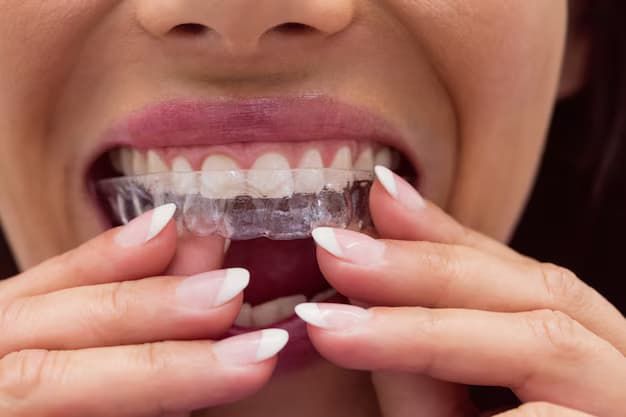
Yes, Invisalign can correct many bite problems in addition to straightening crooked teeth. Depending on the patient's condition, Invisalign may improve overbites, underbites, crossbites, open bites, and crowding through carefully planned tooth movement.
A straight smile is often the first thing people think about when considering Invisalign. However, properly aligned teeth are only one part of a healthy mouth. The way your upper and lower teeth come together, known as your bite, plays an equally important role.
Many people asking "Is Invisalign better than braces?" are actually trying to find the treatment that delivers both cosmetic and functional improvements.
Why does bite health matter more than many people realize?
A healthy bite helps your teeth, jaw joints, and muscles work together efficiently. Poor bite alignment can place uneven pressure on certain teeth, leading to unnecessary wear, discomfort, and difficulty chewing.
Many patients live with bite problems for years without recognizing the symptoms. Frequent jaw soreness, chipped teeth, uneven tooth wear, headaches, or difficulty biting into food may all be connected to how the teeth meet. When people ask "Is Invisalign better than braces?", they often focus only on appearance instead of the long-term health benefits of correcting bite alignment.
Is Invisalign better than braces for every type of bite problem?
No, it depends on the severity of the bite issue, the complexity of tooth movement required, and the patient's treatment goals.
Invisalign successfully treats many common orthodontic concerns, but braces may remain the preferred option for certain complex cases involving significant tooth rotation, major jaw discrepancies, or difficult vertical movements. An experienced dentist evaluates diagnostic records before recommending the most appropriate treatment instead of applying the same solution to every patient.
How does Invisalign improve overall oral health?
Invisalign can improve oral health by creating teeth that are easier to clean and by reducing uneven biting forces. Proper alignment also supports healthier gums and lowers the risk of excessive tooth wear.
Crowded or overlapping teeth often trap plaque where brushing and flossing become difficult. As alignment improves, daily oral hygiene becomes more effective. Better bite balance also helps distribute chewing pressure evenly, reducing unnecessary stress on individual teeth. At Martinez and Martinez Family Dental Care, every treatment recommendation considers both appearance and long-term function.
Can Invisalign reduce jaw discomfort caused by bite issues?
Yes, Invisalign may reduce jaw discomfort when the symptoms are caused by bite imbalance. Improving how the teeth fit together can decrease unnecessary strain on the jaw muscles and joints.
Not every case of jaw pain originates from bite problems, which is why a complete examination is important. Conditions affecting the temporomandibular joints (TMJ) require accurate diagnosis before treatment begins. Patients wondering "Is Invisalign better than braces?" for jaw discomfort should understand that the underlying cause matters more than the appliance itself.
How long does Invisalign take to improve bite alignment?
Most Invisalign treatments take between 12 and 24 months, although treatment time varies based on the complexity of the case and patient compliance.
Consistently wearing aligners for the recommended 20 to 22 hours each day plays a major role in achieving predictable results.
Regular progress appointments also allow necessary adjustments throughout treatment. When people search "Is Invisalign better than braces?" for treatment time depends less on the appliance and more on the individual treatment plan.
What happens if bite problems are left untreated?
Untreated bite problems can gradually contribute to tooth wear, fractured restorations, gum recession, chewing difficulties, and increased stress on the jaw.
Not every bite issue requires immediate correction, but delaying treatment may allow minor problems to become more complicated over time. A comprehensive dental evaluation helps determine whether monitoring or active treatment is the most appropriate next step. We believe informed decisions begin with understanding both the current condition and its future impact.
How do dentists determine whether Invisalign is the right option?
Dentists evaluate tooth position, jaw relationships, oral health, bone support, and treatment goals before recommending Invisalign. The answer to "Is Invisalign better than braces?" depends on these clinical findings rather than a single treatment being right for everyone.
Digital imaging, photographs, bite analysis, and clinical examination provide valuable information for building a customized treatment plan. The goal is not simply to straighten teeth but to create stable, healthy alignment that supports long-term function. At Martinez and Martinez Family Dental Care, treatment recommendations are based on clinical findings rather than a one-size-fits-all approach.
FAQ
Can Invisalign improve chewing efficiency?
Yes. Better tooth alignment often creates more balanced contact between upper and lower teeth, allowing food to be chewed more effectively. Improved bite function can also reduce excessive pressure on individual teeth during normal daily activities.
Does Invisalign change the way teeth wear over time?
Properly aligned teeth generally experience more even biting forces, which can reduce uneven tooth wear. Correcting bite issues early may help preserve natural tooth structure for many years when combined with good oral hygiene and regular dental care.
Is Invisalign suitable for adults who have had crooked teeth for years?
Many adults are excellent candidates for Invisalign, even if their teeth have been misaligned for decades. Eligibility depends on the current condition of the teeth, gums, supporting bone, and the complexity of the required tooth movement, rather than age alone.
Why do some Invisalign cases require attachments on the teeth?
Attachments are small tooth-colored shapes temporarily bonded to certain teeth to help aligners create more precise movements. They improve the ability of Invisalign to rotate, lift, or shift teeth that require additional control during treatment.
Conclusion
Many people begin researching Invisalign because they want straighter teeth, but the bigger benefit may be improved bite health. A properly aligned bite supports comfortable chewing, healthier teeth, balanced jaw function, and easier oral hygiene.
The question "Is Invisalign better than braces?" does not have a universal answer because every smile is different. The right treatment depends on careful diagnosis, personalized planning, and long-term oral health goals. At Martinez and Martinez Family Dental Care, our priority is helping every patient choose the treatment that provides lasting function as well as a confident smile.