Digital Dentistry Has Entered the ‘Predictive Era’: How 2026 Tech Will Let You See Problems Before You Feel Them
Dental technology changed faster than almost anyone expected in late 2025. New tools started giving dentists the ability not just to find problems, but to predict them long before a patient feels pain or notices changes. At Martinez & Martinez Family Dental Care, we’ve seen how these updates make checkups smoother and more accurate, and why families are asking for care that helps them stay ahead of future issues. This is one of the biggest reasons people are focusing on dental care in Mason as they plan their oral health goals for 2026.
This isn’t the basic digital dentistry most people know. It’s a new phase where your scans are smart enough to show what might happen months or years from now.
2025 Was the Turning Point for Predictive Dentistry
For years, digital scans helped dentists diagnose cavities, gum issues, and alignment problems. But late 2025 introduced advanced tools that could read patterns inside the teeth and bone. These tools don’t work like simple X-rays. They study forces, bone strength, and early mineral changes.
By the end of the year, three predictive features became more common across dental practices:
- AI-based cavity risk modeling, which shows where cavities are likely to form
- Bite-force mapping, which helps find areas at risk for future cracks
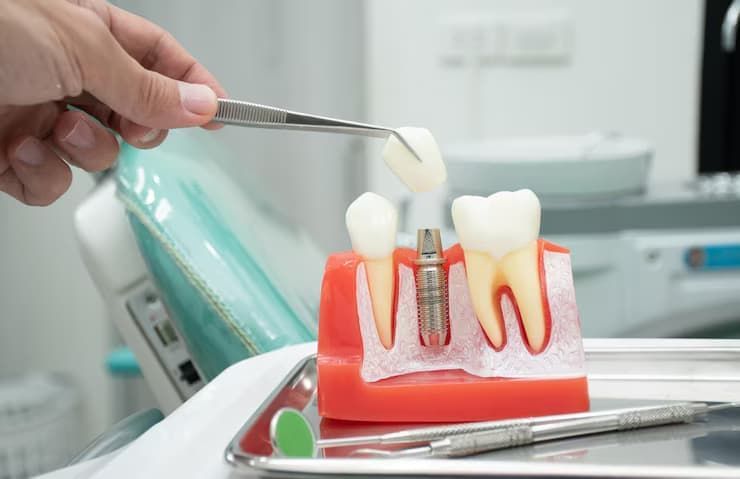
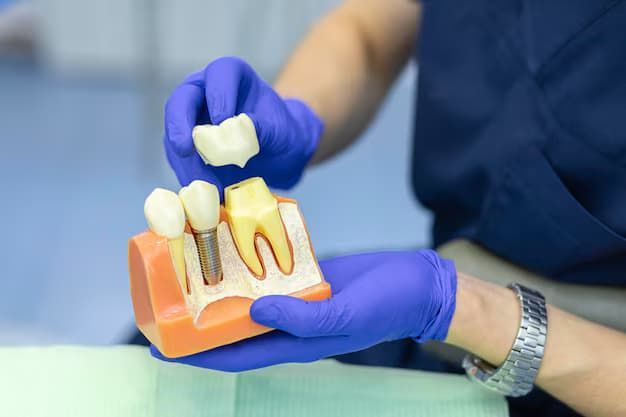
- Bone-density forecasting, which is especially important for implants
This technology makes dental care in Mason more preventive, more accurate, and more personalized for every patient.
Your 2026 Checkup Will Predict Cracks, Grinding Damage, and Bone Loss Early
One of the biggest improvements patients will notice in 2026 is how early we can spot warning signs. Many adults grind their teeth without knowing it, or they have tiny fractures that aren’t painful yet but could lead to serious damage.
With bite-force mapping, we can now see:
- where the teeth hit unevenly
- which areas are taking too much pressure
- where cracks may form in the future
This helps us protect the teeth long before a crown or root canal is needed. When patients come in for dental care in Mason, this type of scan gives them a clearer picture of their daily habits and how those habits affect their smile.
The same applies to bone health. Early signs of bone loss used to be very hard to detect. But with updated bone-density forecasting, we can see subtle changes before they become major issues. This is especially helpful for patients considering dental implants or those who want to protect their long-term oral health.
How CBCT + AI Models Future Jaw Changes and Bite Wear
Another breakthrough came from improvements in 3D CBCT scans. These scans once showed a simple image of the teeth and jaw. Now, combined with new software, they can track small shifts over time and predict how the bite might change.
This helps us understand:
- how fast a patient’s bone structure is shifting
- where the bite may start causing TMJ strain
- how alignment may change in the next few years
- whether past dental work is still supporting a balanced bite
When patients ask about TMJ concerns, implant planning, or orthodontic treatment, this predictive modeling gives us a more complete picture. It makes dental care in Mason stronger and more reliable because we’re not guessing, we’re planning ahead.
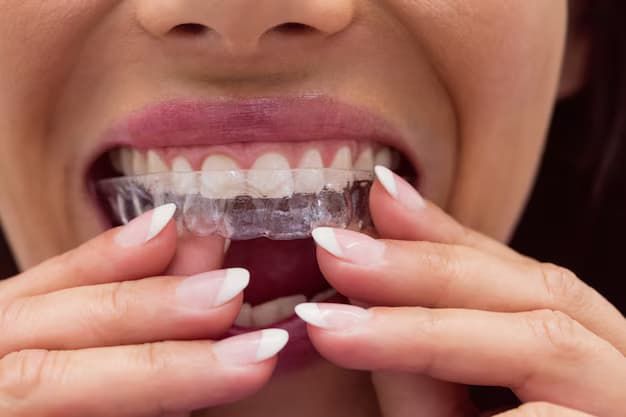
This type of technology also supports Invisalign treatments. Instead of only correcting visible misalignment, we can identify bite pressures and tooth movement patterns that could cause future problems. This leads to more stable results and a healthier long-term outcome.
Why Early Prediction Reduces the Need for Root Canals and Crowns
One major benefit of predictive dentistry is that it prevents emergencies. Cavities, cracks, and fractures usually start long before a patient feels discomfort. If we can see these problems forming early, we can guide patients toward treatments that protect the tooth instead of repairing it after damage is done.
This means more patients can avoid:
- unexpected root canals
- cracked teeth
- emergency crowns
- sudden pain from hidden damage
By using predictive scans, we often recommend small, simple treatments that protect the tooth’s structure. This is another reason families are choosing dental care in Mason based on practices that offer early-detection technology.
For example:
- A patient with early bite pressure signs may need a nightguard to stop cracks.
- A patient with early bone density loss may start personalized preventive care.
- A patient with early demineralization may benefit from remineralizing treatments to stop cavities before they form.
Predictive dentistry turns treatment into a partnership. Patients understand what’s happening inside their mouth long before they feel any trouble.
Technology Supports Crowns, Implants, TMJ, and Preventive Care
These new tools don’t just help with cavities. They support every part of a patient’s dental journey, including:
- Crowns: Predicting where cracks might form
- Implants: Measuring bone density before planning surgery
- TMJ therapy: Understanding bite pressure and jaw movement
- Preventive care: Identifying problem areas early
- Invisalign: Creating personalized treatment based on future tooth movement
Predictive technology helps us build treatment plans that last longer, feel more comfortable, and prevent surprises later.
This level of detail is why more people are choosing advanced dental care in Mason instead of waiting for problems to appear.
A New Era of Smarter, Safer, and More Confident Dental Care
As we move through 2026, predictive dentistry will become the standard for patients who want reliable, long-term care. Instead of reacting to pain or damage, we can protect your teeth before problems begin.
At Martinez & Martinez Family Dental Care, we’re excited about how these tools make every visit more helpful and more informative. With better scans and clearer data, patients can feel confident about their oral health and the steps we take to protect it.
If you want a dental experience that stays one step ahead, this new technology makes dental care in Mason stronger than ever.