How TMJ Disorders Impact Your Bite, Headaches, and Overall Oral Health
Jaw pain that doesn’t seem to go away or frequent headaches can be a sign of a TMJ disorder. A bite that suddenly feels “off” may also indicate a problem with the jaw joint.
The temporomandibular joint (TMJ) connects your jaw to your skull and plays a vital role in everyday activities like chewing, speaking, and yawning. When this joint isn’t working properly, the effects can reach far beyond your jaw.
At Martinez & Martinez Family Dental Care, we see how TMJ disorders quietly disrupt daily comfort and long-term oral health. Understanding how these conditions affect your bite, muscles, and overall wellness is the first step toward lasting relief. Our personalized TMJ treatments are designed to address these issues effectively.
Understanding TMJ Disorders
TMJ disorders occur when the jaw joint or surrounding muscles become strained, inflamed, or misaligned. This can happen due to teeth grinding, jaw clenching, arthritis, injury, or even prolonged stress. Because the TMJ is used constantly, even small problems can worsen over time.
Many patients are surprised to learn that TMJ disorders don’t always cause obvious jaw pain at first. Symptoms often develop gradually, making early diagnosis and TMJ treatments especially important.
How TMJ Disorders Affect Your Bite
Your bite depends on proper alignment between your teeth, jaw, and muscles. When the TMJ isn’t functioning as it should, the jaw may shift slightly out of position. Over time, this can cause uneven pressure on certain teeth, leading to discomfort and bite changes.
You may notice:
- Difficulty bringing your teeth together comfortably
- A feeling that your bite has changed
- Increased tooth wear or sensitivity
Left untreated, these bite issues can strain your jaw muscles even further. This creates a cycle of discomfort that TMJ treatments aim to interrupt by restoring balance and function.
The Connection Between TMJ Disorders and Headaches
One of the most common and frustrating symptoms of TMJ disorders is recurring headaches. The jaw muscles sit close to the temples, ears, and neck. When these muscles are overworked or tense, pain can radiate upward and feel like tension headaches or even migraines.
At our practice, we often see patients who have tried managing headaches for years without realizing their jaw joint is the source. TMJ treatments can reduce muscle strain, ease joint pressure, and significantly decrease headache frequency and intensity.
Impact on Overall Oral Health
TMJ disorders don’t just affect comfort; they can also compromise long-term oral health. Chronic clenching or grinding can wear down enamel, increase the risk of cracks, and place stress on dental restorations.
Over time, this may lead to:
- Flattened or chipped teeth
- Gum irritation from excessive pressure
- Increased risk of jaw joint degeneration
By addressing the root cause with appropriate TMJ treatments, we help protect teeth, gums, and restorations from unnecessary damage.
Why Early Diagnosis Matters
TMJ disorders tend to worsen when ignored. Early symptoms like jaw clicking, mild soreness, or occasional headaches may seem manageable at first. However, these signs often indicate deeper issues within the joint or surrounding muscles.
At Martinez & Martinez Family Dental Care, we take a thorough approach to diagnosis. We evaluate your bite, jaw movement, muscle tension, and overall oral health to determine the best path forward. Early TMJ treatments are typically more conservative and can prevent more complex problems later.
Personalized TMJ Treatments That Focus on Relief
Every patient’s jaw is different, which is why TMJ treatments should never follow a one-size-fits-all approach. Our focus is on reducing pain, improving jaw function, and protecting oral health.
TMJ treatments may include:
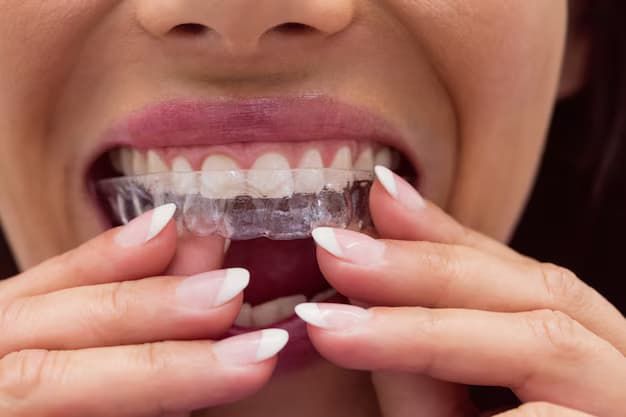
- Custom oral appliances to reduce clenching and grinding
- Bite adjustments to improve alignment
- Muscle relaxation techniques
- Guidance on habits that reduce joint strain
By tailoring TMJ treatments to each patient’s needs, we aim to provide relief that lasts, not just temporary symptom control.
Daily Habits That Can Support TMJ Health
While professional TMJ treatments are essential, daily habits also play a role in managing symptoms. Simple changes such as avoiding gum chewing, practicing stress-reduction techniques, and maintaining good posture can help reduce jaw tension.
We work closely with our patients to identify what triggers their TMJ symptoms. We also give practical guidance they can use at home along with their TMJ treatments.
Taking the Next Step Toward Comfort
TMJ disorders can affect far more than your jaw. From bite problems to headaches and long-term oral damage, the impact is often broader than patients expect.
The good news is that effective TMJ treatments can restore comfort, function, and peace of mind.
At Martinez & Martinez Family Dental Care, we believe in listening carefully, evaluating thoroughly, and treating thoughtfully. If jaw pain, headaches, or bite changes are interfering with your quality of life, we’re here to help you find real, lasting relief.
Conclusion
TMJ disorders can quietly disrupt your daily comfort, affecting your bite, causing recurring headaches, and impacting overall oral health. Left untreated, they may lead to uneven tooth wear, jaw strain, and long-term dental complications.
At Martinez & Martinez Family Dental Care, we focus on early diagnosis and personalized TMJ treatments to address the root cause of your discomfort. We provide professional care to help reduce pain and restore proper jaw function. We also give practical guidance for daily habits to protect your teeth and gums. Taking action early ensures lasting relief and improved overall oral wellness.