When Smile Care Meets Muscle Care: Understanding Botox Treatment Options
A smile is shaped by more than enamel and alignment. The muscles around the mouth and jaw influence comfort, symmetry, and expression. When those muscles work too hard, problems follow. This is where Botox treatment becomes part of modern dental care.
While many think of Botox as cosmetic, its role in dentistry is practical and therapeutic. It can calm overactive muscles, ease tension, and protect oral structures. When used carefully, it supports both comfort and confidence.
The Hidden Force Behind Your Bite
Every time you chew, speak, or swallow, facial muscles activate in coordination. The masseter muscles alone can produce significant force. When they become overactive due to stress or grinding, that force increases beyond what teeth and joints are meant to handle.
Chronic clenching may lead to:
- Worn enamel
- Cracked restorations
- Jaw soreness
- Morning headaches
By gently relaxing targeted muscles, Botox treatment reduces excessive force without stopping normal function. The bite feels lighter. The strain decreases.
When Jaw Strain Sends Silent Signals
Many patients live with jaw discomfort for years before seeking help. They may not realize that tight muscles are contributing to ear pain, facial fatigue, or tension headaches.
Botox works by interrupting nerve signals that trigger repeated muscle contraction. The muscle softens, and pressure on the temporomandibular joint decreases. Over time, inflammation can settle.
A well-planned Botox treatment does not numb the face. It simply quiets the overactivity, causing discomfort.
Smile Balance Is a Muscle Story Too
Some smiles reveal more gum tissue than expected. Others appear uneven because one side lifts higher than the other. These patterns are often muscle-driven, not tooth-related.
Small, precise injections can reduce over-lifting of the upper lip. The change is subtle. The smile remains natural but appears more balanced.
Because the adjustment is temporary, patients can decide if they enjoy the effect before continuing. This flexibility makes Botox treatment appealing for aesthetic refinement without surgery.
Protecting Dental Work from Excess Pressure
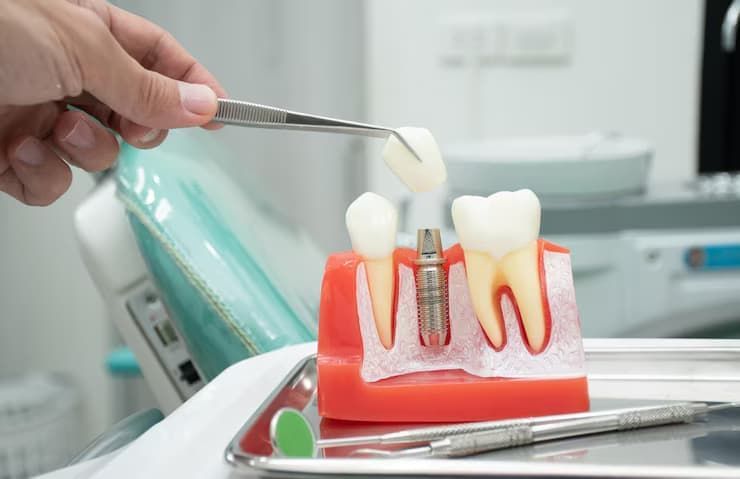
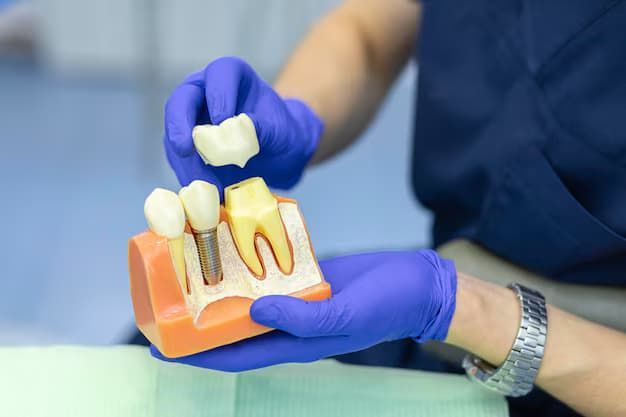
Restorative dentistry requires careful planning. Crowns, veneers, and implants are built to last, but extreme grinding can shorten their lifespan.
When heavy clenching continues after cosmetic work, restorations may chip or loosen. Relaxing strong jaw muscles lowers that risk.
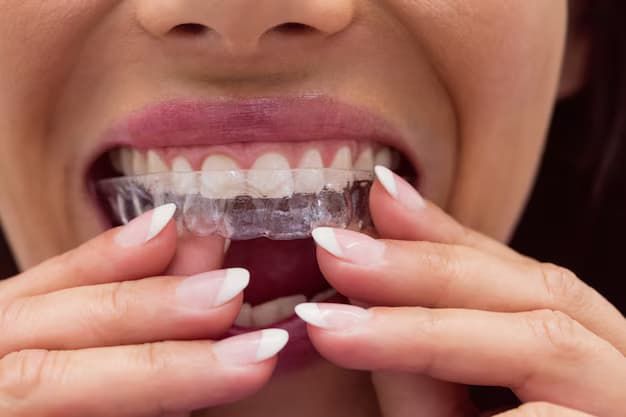
In some cases, Botox treatment is recommended alongside night guards or bite adjustments. It becomes part of a protective strategy rather than a standalone solution.
A Quick Visit with Precise Intention
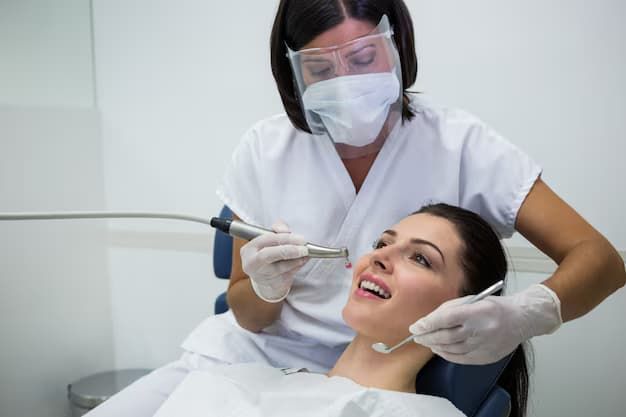
The process is straightforward. After reviewing medical history, the dentist evaluates muscle movement. Injection sites are selected based on strength and activity.
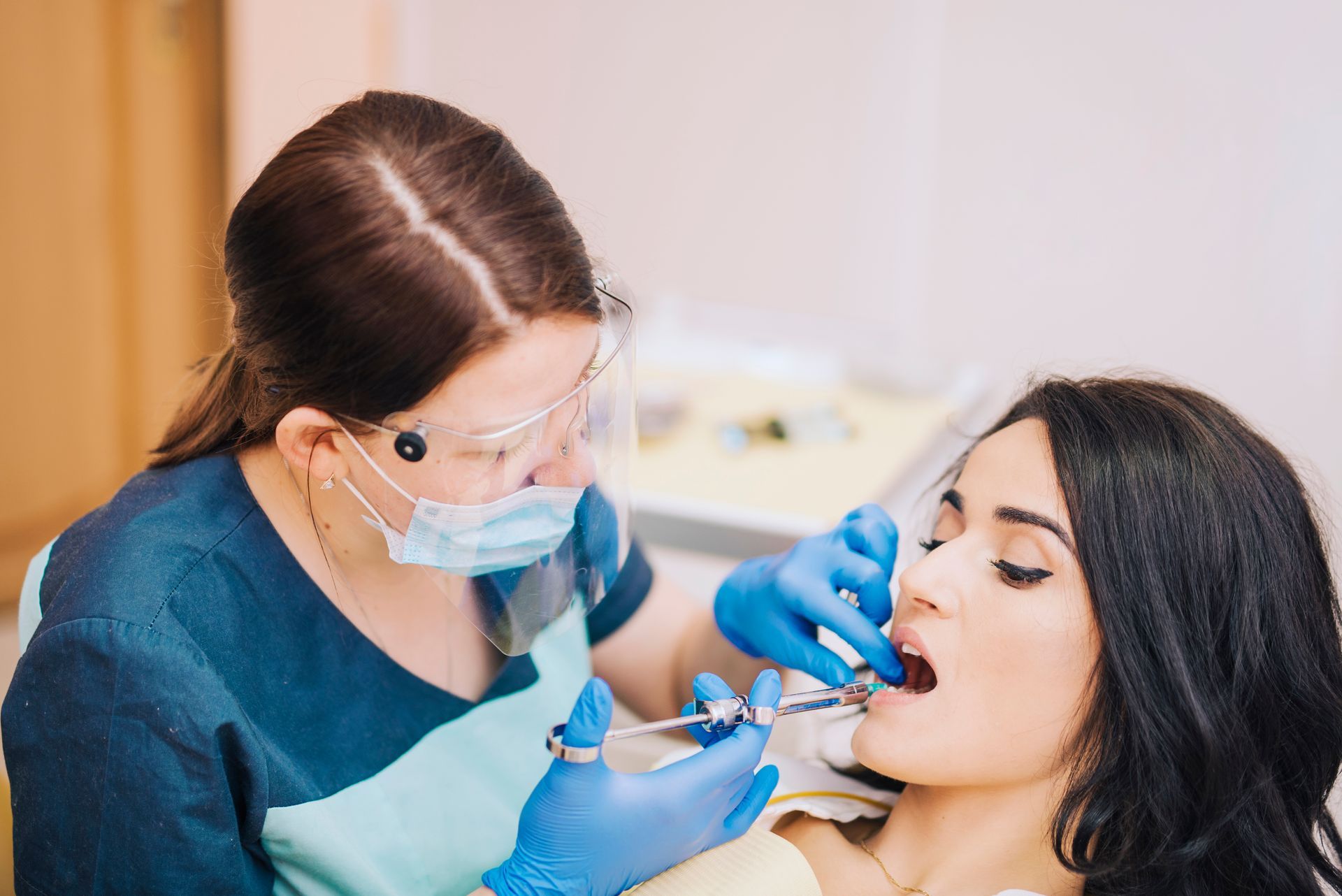
A fine needle delivers controlled amounts of medication into specific muscles. Most patients describe the sensation as brief and mild.
There is no required downtime. Normal activity can resume immediately. Full results typically appear within two weeks.
When administered correctly, Botox treatment allows normal smiling, chewing, and speaking. The goal is comfort, not stiffness.
Short-Term Relaxation, Long-Term Insight
The effects usually last three to four months. As muscle activity slowly returns, some patients notice that their clenching habits have reduced. Others schedule maintenance visits to keep tension controlled.
Because muscle response varies from person to person, dosage may be adjusted over time. Monitoring ensures balanced results.
Each Botox treatment builds on prior evaluation. Careful follow-up protects both appearance and function.
Who Might Benefit Most?
Not everyone with jaw pain needs injections. Conservative steps often come first. However, certain patterns suggest muscle overactivity may be a major factor.
Botox may be considered when:
- Bruxism damages enamel or restorations
- TMJ discomfort persists despite splints
- Headaches trace back to jaw tension
- A gummy smile affects self-image
Clear diagnosis guides the recommendation. Treatment should match the root cause.
Why Dental Training Matters in Facial Injections
Facial muscles are complex. Slight variations in placement can change outcomes. Dentists are trained in oral and maxillofacial anatomy, making them uniquely qualified to treat lower facial muscles.
Experience ensures symmetry and control. Overcorrection can feel unnatural. Under-correction may not relieve symptoms.
At Martinez and Martinez Family Dental Care, precision shapes every step of care. Evaluation comes before injection. Comfort comes before cosmetics.
The Intersection of Function and Appearance
Oral health is not isolated from facial dynamics. Muscles influence bite alignment, joint stability, and smile design. Addressing tension improves more than comfort. It can protect long-term dental health.
For patients dealing with chronic strain or smile imbalance, Botox treatment offers a minimally invasive option. It does not replace traditional dentistry. It complements it.
At Martinez and Martinez Family Dental Care, we believe muscle care and smile care belong in the same conversation. Thoughtful planning ensures results look natural and feel balanced.
Conclusion
A healthy smile depends on a balance between teeth, joints, and muscles. When facial tension disrupts that balance, discomfort and wear can follow. Thoughtful care looks beyond the surface to address the source. Botox treatment offers a conservative way to reduce strain, protect dental work, and refine natural expression. It is not about changing who you are.
It is about restoring comfort and harmony. With proper evaluation and skilled application, this option can support both function and aesthetics, helping your smile feel as good as it looks every single day.